
Licences
Which licence fits you?
Applies to all licences: You purchase usage rights, not ownership. Raw files may not be resold, publicly shared or offered as your own product · no use as training material for AI models.
Simplified overview — legally binding are the full licence terms; in case of doubt, the terms of the larger licence category apply. Full licence terms
Services · 22 in four fields Brand. Web. Video. Photo. AI.
Bookable on their own, strongest together. With prices you know up front.
-
 Citterio · Corporate Design
-
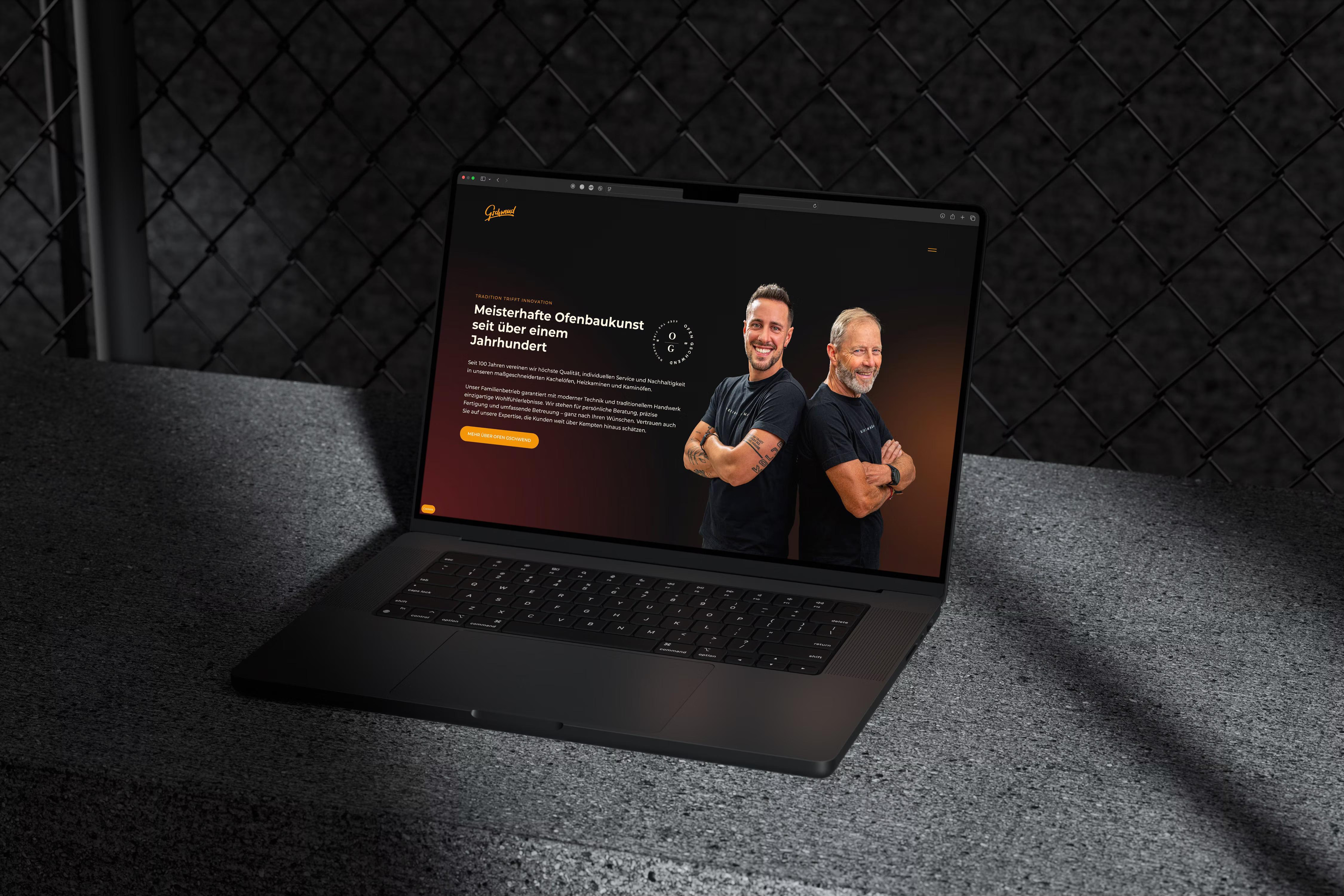
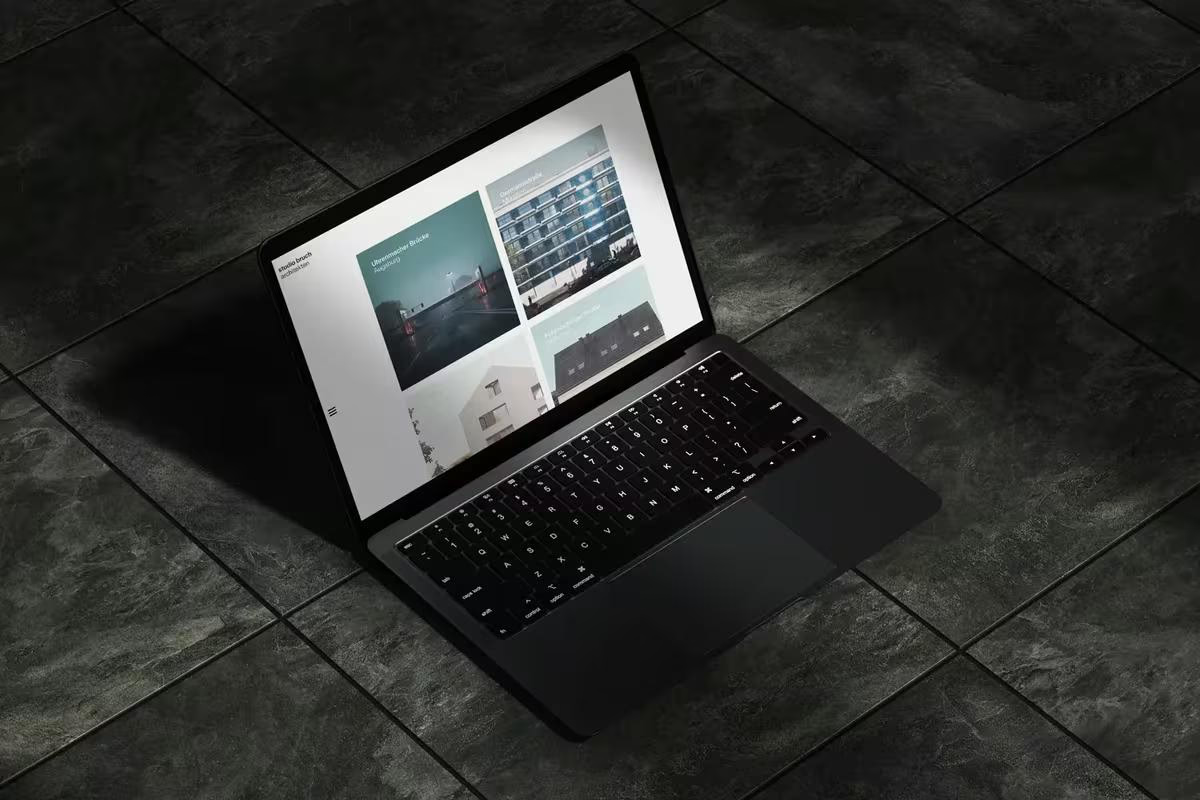 Architects Website · UX — User Experience · UI — User Interface Design
-
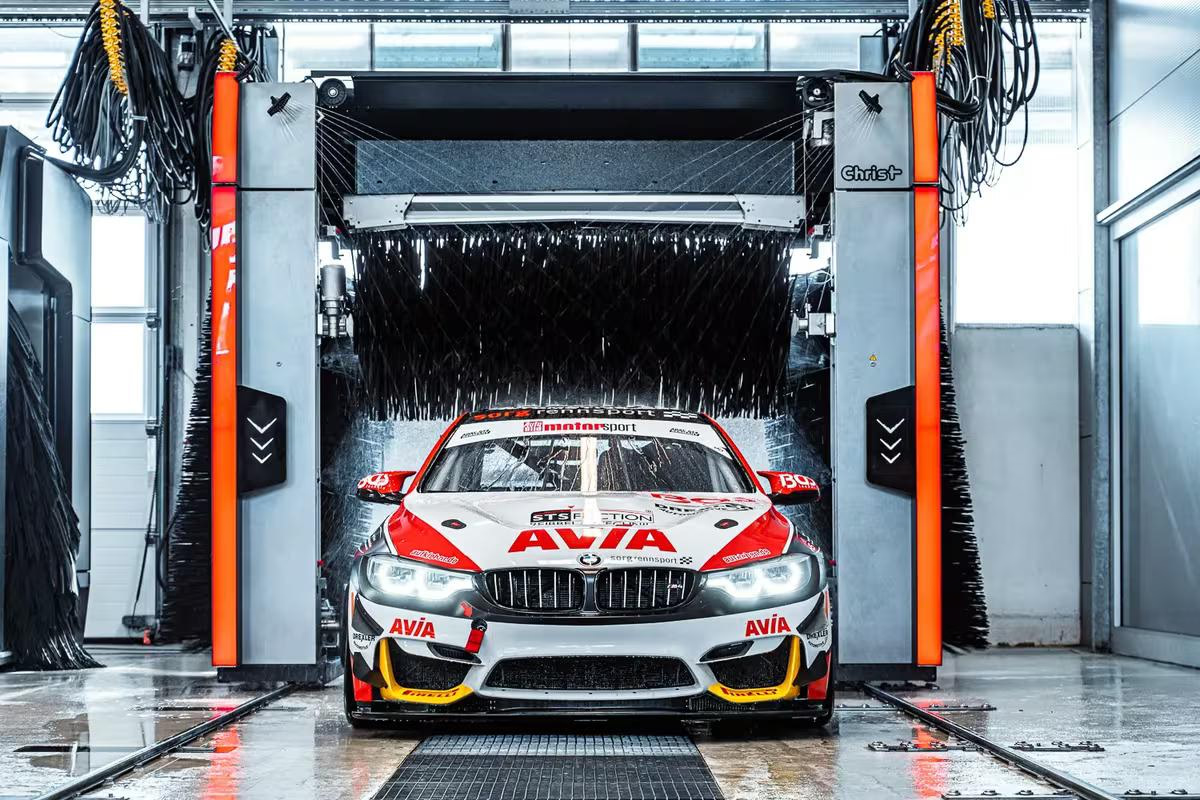 Wash Systems · Brand Films
-
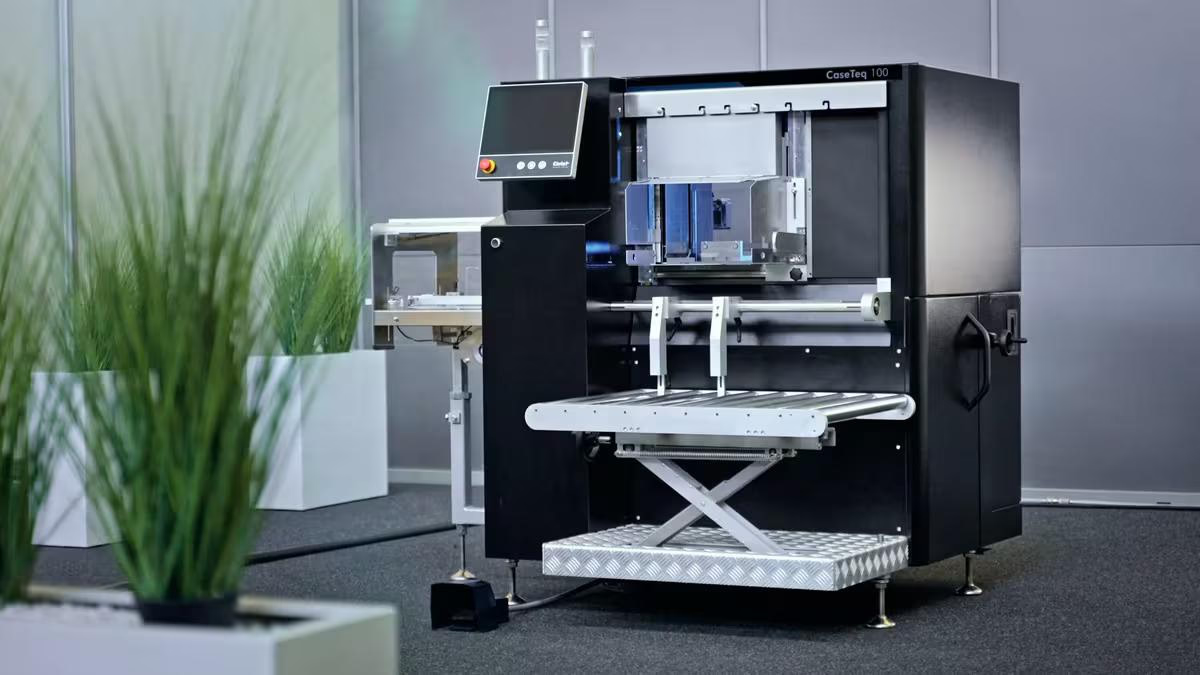 CaseTeq 100 · Product Video
-
 Configurator · Explainer Videos
-
 ReOpening · Video Marketing
-
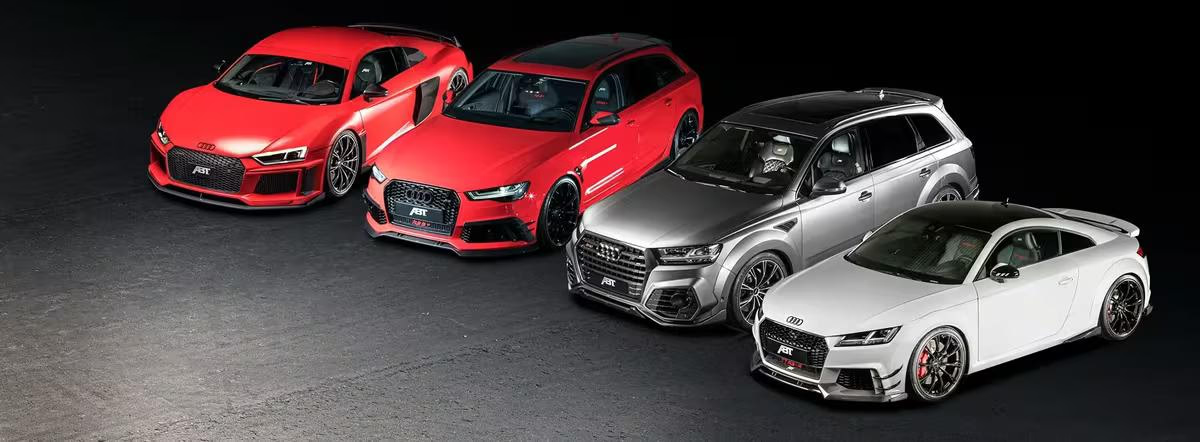 Geneva LineUp · Product Photography
-
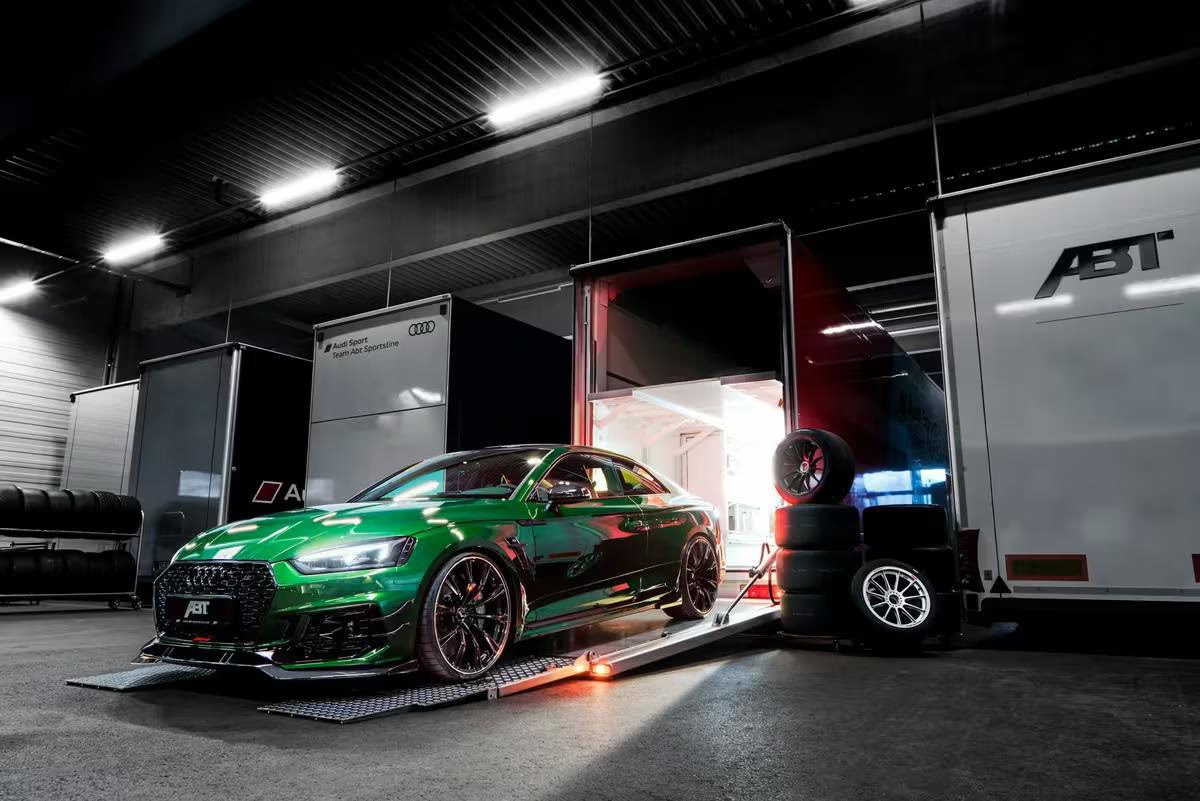 Born for the Racetrack · Automotive Photography
-
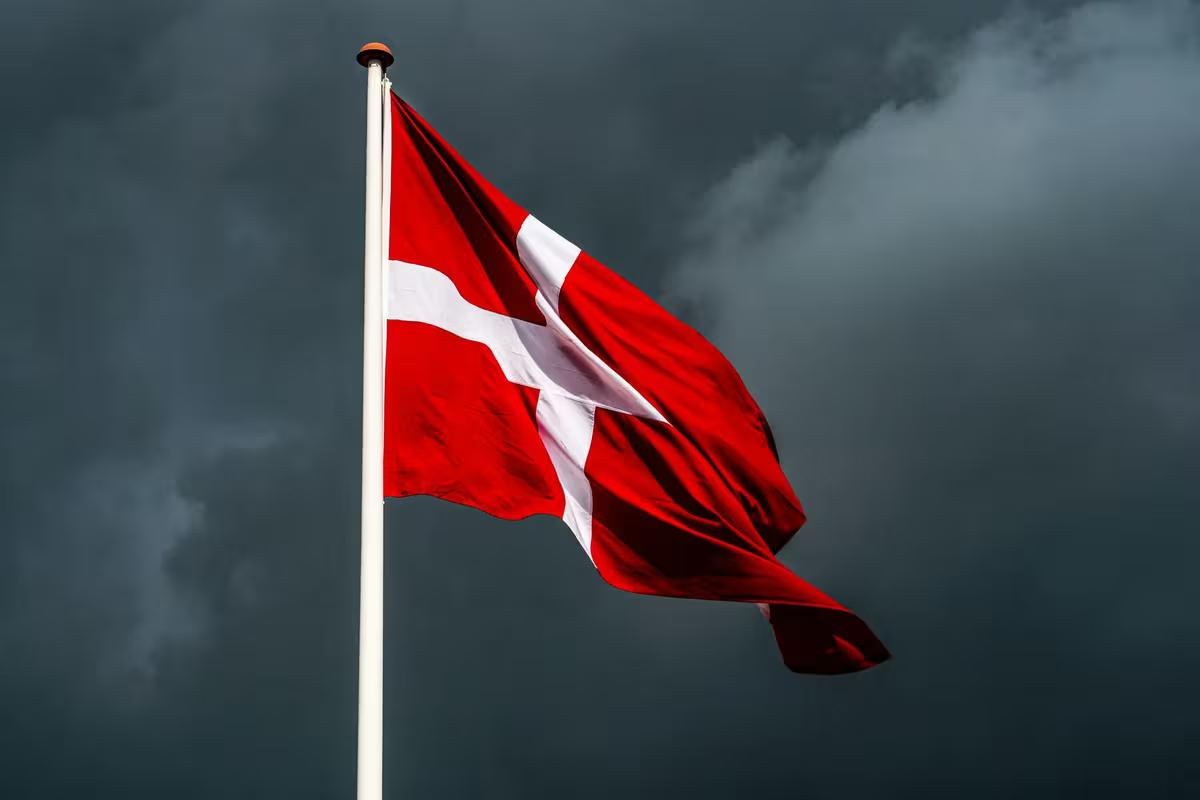 Copenhagen · Print Media
Four fields.
One point of contact.
Each field works on its own — they are strongest together. Open a field; every service has its own page.
Positioning, logo, corporate design and style guide — a brand that works in everyday use, not just in the pitch.
- Corporate DesignCorporate design that works day to day — not just in the pitch deck.→
- Logo & ID SystemsLogos that work at 16px — and on the warehouse wall.→
- Brand Strategy / MarkenstrategieBrand strategy that sales actually uses — not just the marketing team.→
- Brand Development & RebrandingMarken weiterentwickeln statt neu erfinden — wenn Substanz da ist.→
- Brand Style GuideOne document, one standard — no more three logo versions in circulation.→
- TypographyTypography isn't a font picker — it carries the whole brand.→
- Packaging DesignOn the shelf, the packaging decides — not the spec sheet.→
Websites in Webflow that load, rank and sell — from the structure to the CMS training.
Image film, product video, photography, motion and AI video — pictures that sell without a caption.
- Brand FilmsA brand film without the drone cliché and the stock-music pathos.→
- Product VideoA product video that shows what it can do — before the spec sheet scrolls.→
- Explainer VideosComplex made clear — without the 2014 stock-character standard.→
- Video MarketingVideo that finds the right rhythm on every platform.→
- Motion GraphicsMovement with timing — a fade-in is not a concept.→
- AI VideoMoving image that used to need a film crew — now produced with AI, faster and affordable.→
- Product PhotographyProduct photos that sell without a caption.→
- Automotive PhotographyAutomotive photography — paint, light and line without compromise.→
- Print MediaPrint that still does something while everyone else only scrolls.→
Understand first, then design: research, content strategy and AI workflows that speed up your brand — without replacing it.
AI integration in four steps ↓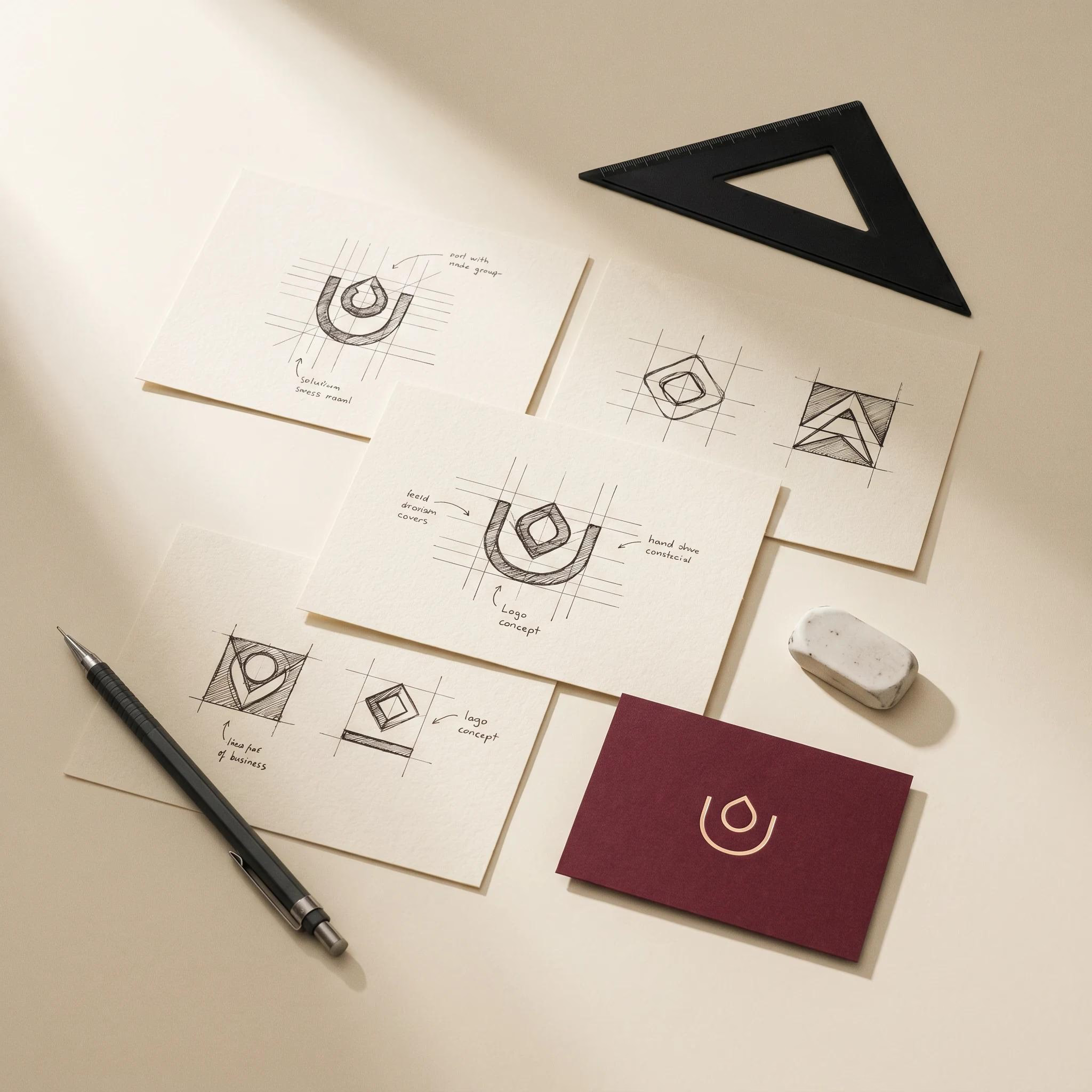

What it costs.
Up front, not after.
Time guarantee included — as long as you deliver texts, images and CI on time and keep the agreed appointments.
Website + Design
- Custom design and content
- As many subpages as you need
- Custom animations and interactions
- Webflow CMS for blog, projects, products
- Introduction and training in the CMS
- Page speed, SEO, cookie banner, WCAG, domain
Prices per month. The longer the term, the lower the monthly price.
1 day a week · 12 months
- Strategy, branding, web, video and content — whatever is needed
- AI built in: review workflows, set up tools, keep them current
- A fixed slot in my calendar, no tickets, no queue
- Monthly strategy call
- A plan per quarter with clear goals
- Direct line via Slack or WhatsApp
All prices net, plus VAT.
Built in,
not bolted on.
In a partnership, AI is part of the work: it runs in the days you book anyway. Without a partnership, the four steps can be booked on their own.
AI readiness audit
Every AI touchpoint in your company checked — with a prioritised roadmap instead of buzzword bingo.
AI strategy workshop
Half a day on site, team and decision-makers in one room: use cases with clear ROI, data protection sorted.
AI implementation package
Your setup gets built: Claude Code, custom skills, an agent team with clear roles — onboarding included.
AI support
Ongoing optimisation: new skills, better workflows, help when models change.
Made, not claimed.
Four steps, no surprises.
- 01
Conversation
You book a strategy call or write to me. I tell you honestly whether an audit, a project or a partnership fits.
- 02
Clarity
Goal, structure and priorities. From this come scope, fixed price and timeline.
- 03
Execution
Design, Webflow, film or photo — with traceable interim steps instead of vague alignment rounds.
- 04
Handover
Launch, training — and support afterwards if you want it.
Just ask.
57 answers, searchable.
Frequently asked
Yes, I set up the right hosting for your website. With Webflow, hosting runs directly through Webflow; I take care of the domain, DNS, technical settings and a clean handover.
Yes, if you'd like, I'll continue to support you after launch. That can mean technical maintenance, minor adjustments, content updates or the strategic development of your website and brand.
Yes, I support you with maintenance, updates and the ongoing development of your website. You can maintain much of the content yourself later on; for technical or strategic matters, I remain available on request.
Yes, if the existing website can sensibly be continued, both technically and strategically. I first review the system, content, design state and goals; then we decide together whether an update or a clean relaunch makes more sense.
Yes, I can build e-commerce websites and digital sales funnels. Depending on the goal, I use Webflow, Stripe, Shopify or a suitable combination of website, checkout and product logic.
To get started I need your goal, offer, target audience, existing brand, available content and the key requirements for the website or design. If text, images or structure are still missing, I can develop these elements as part of the project.
You can reach out through the contact form or book a strategy call directly. I'll take a quick look at what you need and figure out with you whether an audit, a project or a different next step makes the most sense.
That depends on indexing, technical quality, content, competition and your website's authority. I optimise Webflow sites so that search engines can read the content cleanly: with structure, meta data, performance, internal linking and the right schema data.
The timeline depends on scope, the state of your content, decision-making paths and technical complexity. A clear structure, available content and quick approvals speed up the process; branding, CMS, animations or shop features make it correspondingly more involved.
Once you've decided, we start by clarifying goals, structure and priorities. From there we define the project scope, the next steps and the foundation for design, Webflow build or brand work.
Communication stays clear and project-focused: depending on the project, via email, calls, Loom videos or a shared tool like Notion. You get traceable progress at every step instead of vague back-and-forth.
Der Baukasten-Teil ist leicht — Blöcke ziehen kann heute jeder. Schwer wird's danach: eine Struktur, die Google versteht, schnelle Ladezeiten, saubere Darstellung auf dem Handy und Texte, die tatsächlich zu Anfragen führen. Genau daran scheitern die meisten Selbstbau-Seiten — sie sehen okay aus und werden trotzdem nicht gefunden. Eine Seite, die Kunden bringt, ist weniger Design-Frage als Handwerk. Das nehme ich dir ab.
The drag-and-drop part is easy — anyone can push blocks around today. The hard part comes after: a structure Google understands, fast load times, a clean mobile layout and copy that actually turns visitors into enquiries. That's where most DIY sites fail — they look okay and still don't get found. A site that brings you customers is less a design question than a craft. That part I take off your plate.
Structured SEO means more than a pretty site: clean code, a clear page architecture, schema markup and content that Google and AI search can actually cite. That's how I build in Kempten and the Allgäu region — every page is designed for findability from the start, not bolted on afterwards. The result: sites that don't just look good, they get found.
In everyday use, most people mean the whole website when they say “homepage”. Strictly speaking the homepage is just the start page — the website is everything together: home, services, about, contact. For you as a client the distinction barely matters. What counts is that it all works together and makes you findable online.
At my studio in Kempten. I shoot application and portrait photos that look professional without looking staged — natural light, clean retouching, and you get a selection of finished, edited images. Appointments are available at short notice, and for clients from the Allgäu the trip is short. No time for the studio? There's also an AI-generated application photo — with no appointment at all.
Webflow is an all-in-one platform for web design and web development that lets designers and developers build websites.
My Webflow projects combine brand strategy, design system, clean structure and technical execution. It's not just about a good-looking website, but about a presence that positions you clearly, feels high-end and stays easy to maintain later on.
Yes, Webflow is well suited to self-managed content. Text, images, projects, blog articles or products can be set up through CMS structures so that you don't need a developer for every change.
Yes, Webflow works very well for structured content like projects, references, products, resources or blog articles. The key is a cleanly planned CMS model, so content can be maintained logically and served flexibly.
Yes, Webflow gives you a solid SEO foundation: clean page structure, meta titles, descriptions, alt text, redirects, fast delivery and CMS-based content. I build on that with information architecture, structured data and content that's clear to both people and search engines.
Webflow can be used in a GDPR-aware way when hosting, cookies, forms, tracking, the privacy policy and data processing agreements are handled properly. I can prepare the technical side; the legal review should, where needed, be done by a suitably qualified party.
Webflow is often the better choice when design freedom, custom structure, CMS, animations and a professional brand presence matter. A simple builder can be enough for very small sites; Webflow shows its strength when the website needs to grow and feel high-end.
Yes, e-commerce is possible with Webflow. Depending on scope, Webflow on its own can be enough, or it can be combined with Stripe, Shopify, Foxy or a custom checkout setup.
Yes, your existing domain can usually be kept and connected to Webflow. I'll help you with DNS, redirects and the technical migration, so the switch runs cleanly.
Yes, I offer Webflow training tailored to your project and your team. The focus is on confidently maintaining the CMS, pages, responsiveness, SEO basics and the areas you want to take over yourself later on.
I offer both: Webflow development and strategic branding. That way the brand, content, design system and website can grow together, rather than being awkwardly aligned with each other after the fact.
The timeline depends on scope, content, feedback rounds and technical complexity. A landing page, a CMS system, a shop or a branding relaunch each call for different planning and execution.
Yes, Webflow creates site backups that let you restore older versions. On top of that, it's worth documenting important structural and custom-code changes properly.
Yes, moving from WordPress to Webflow is possible. Beforehand I review content, SEO structure, URLs, features and CMS needs, so the migration, redirects and rebuild are planned cleanly.
Yes, Webflow can be used for e-commerce, especially with manageable product catalogues and heavily designed sales pages. For more complex shops, I assess whether Webflow alone is enough or whether a combination with Stripe, Shopify or a separate checkout solution makes more sense.
Partly, yes. Simple interactions can be maintained in Webflow; more complex GSAP animations usually need a clear setup with documented parameters, so you don't have to work directly in the code later on.
Yes, provided the website is built cleanly for it. I structure the CMS, components and editable areas so that you can change content without breaking the layout or the technical foundation.
Yes, I can migrate existing websites to Webflow. This involves reviewing content, page structure, SEO-relevant data, redirects and CMS requirements, so the relaunch is clean not only visually but also technically.
Webflow often makes sense when design freedom, easy maintenance, fast delivery and less plugin upkeep matter. WordPress can still be the right fit for certain systems; the better choice depends on content, features, team and long-term maintenance.
GSAP is a JavaScript library for precise, high-performance web animation. I use GSAP in Webflow projects when Webflow's native interactions aren't enough and the animations need to feel stronger, more controlled or more distinctive.
A typical Webflow project depends heavily on scope, content, CMS structure, animations and the amount of coordination involved. After a short review, I can map out the process concretely and define the next steps.
I optimise Webflow websites through a clean page structure, semantic headings, meta data, alt text, internal linking, fast load times and structured data. I also make sure the content answers clear questions and is easy for AI search systems to understand and cite.
I plan Webflow sites responsively so that layout, typography, images, navigation and interactions work cleanly on mobile devices. What matters isn't just breakpoints, but also load time, touch handling and clear content priorities.
Webflow is a good fit when you want a custom-designed website that can be maintained later without a classic developer setup. Webflow is particularly strong for brand presences, landing pages, CMS structures, portfolio sites and high-end marketing websites.
Yes, website and branding can be planned as one package. That often makes sense, because positioning, visual identity, content and Webflow build then come out of a single system.
No, I don't build in hidden costs. After launch there may be ongoing external costs, for example Webflow hosting, domain, tools, licenses or optional support; these points are discussed transparently in advance.
Yes, individual services are possible as long as they're clearly defined. Typical examples are an audit, a logo update, UX wireframes, Webflow support, a landing page or content production.
A partnership runs for 3, 6 or 12 months, with one or two fixed days a week. One day a week costs €5,000 a month for 3 months, €4,500 for 6 and €4,000 for 12 months. Two days a week cost €9,000, €8,000 and €7,000 a month. All prices net. It makes sense for companies that regularly need design, web, content or AI and don't want to commission every task separately.
The cost depends on scope, page structure, design ambition, CMS, animations, integrations and content requirements. Once these points are clarified, you receive a transparent quote with a clearly defined scope of work.
The price for a branding project depends on whether it's just a logo and visual basics, or strategy, positioning, tone of voice, design system, applications and rollout. I define the scope upfront, so it's clear what's included and what isn't.
A professional Webflow website is priced by scope, design level, CMS structure, animations, integrations and content requirements. For a reliable estimate, I first review your goal, page structure and technical requirements.
Having a homepage built starts at €4,995 with me. What drives the price: number of pages, features like a shop or booking, multiple languages and how much brand, photo and video work is involved. You get a fixed quote up front — no open-ended hourly sheets, no surprise at the end.
Yes — and there are two ways to do it with me. For predictable, ongoing design work without the project ping-pong, my design flat rate runs via pauschal.design. If you want broader, strategic support, book a 3- to 12-month partnership at Starks.Design from €4,000/month net — design, web and content from one source, without agency overhead. Which fits depends on your volume — we sort that out in a first call.
A portrait or application shoot is €249 for a one-hour session — three fully edited images included. If you want it quick and affordable, there's an alternative: an AI-generated application photo for €99, with no appointment at all. Both prices are fixed — no hidden retouching costs.
I don't produce specialised photorealistic 3D renderings myself. When a project needs 3D visualisation, product rendering or animation, I can bring in the right partners from my network and take over the art direction.
Yes, photography and video can be part of a website or brand project. The aim is content that fits the brand and works consistently across website, social media and campaigns.
Yes, I concept and produce brand films, social clips and short campaign videos. Depending on the project I handle story, shot list, shoot, editing, colour grading, motion design or AI-assisted content production.
Yes, I design packaging, labels and POS materials when they fit the brand or campaign task. What counts is the target audience, brand impact, legibility, print-ready artwork and whether it's technically feasible to produce.
Yes, I support brand development, rebranding and visual repositioning. Depending on what you need, that includes positioning, logo, colour world, typography, tone of voice, imagery, design system and website.
Yes, existing logos or corporate designs can be analysed and developed further in a targeted way. It's often not about starting from scratch, but about clearer rules, better typography, more precise colours and more consistent application.
Yes, content production can be part of a project: copy, photos, videos, illustrations, icons or AI-assisted visuals. What matters is that the content fits the brand and supports the website, social media or campaign.
Nothing found — ask me directly in a strategy call.